March 2026
The hardest part of digital MRV wasn't the technology
When I founded SustainCERT in 2018, it was on the conviction: verification would have to evolve if carbon markets were ever going to scale. We recently completed the first digital MRV verification under Verra’s VCS program. Looking back, the journey was not what I expected.
By Marion Verles, CEO & Co-Founder, SustainCERT
Verification is infrastructure, not paperwork
Verification is the trust layer of climate action. Without it, there are no credible carbon credits, no integrity in corporate claims, and no durable climate finance.
Everyone in this industry knows that. What's talked about less is that the verification infrastructure itself, the processes, workflows, and evidence architecture, was built for a different era. It is document-heavy, time-consuming, and fundamentally not designed for the data volumes and scrutiny that modern carbon markets now demand.
For me, the question was never whether digital MRV would eventually replace manual processes. That felt inevitable. The real question was who would do the hard, unglamorous work of making it real, and how long would it take?
The answer turned out to be simple: longer than anyone wanted, and harder than almost anyone expected.
The harder problem: earning institutional alignment
When we founded SustainCERT in 2018, digital verification was part of the long-term vision. But the first years were not about building digital MRV. We focused on how to become a trusted verification body in the first place. That meant earning accreditation, building methodology expertise, and learning how verification actually works from the inside. You cannot reinvent a process you don’t yet fully understand.
The real push on digital MRV started in 2021, when we hired our CTO and closed our Series A. That was the moment when we had both the technical leadership and the capital to move from vision to execution.
Here is something most people outside the field often underestimate: building digital MRV is not mainly a technology challenge. Data pipelines, automated validation logic, audit-ready architecture, require real technical depth. But those are the tractable parts.
The real challenge is institutional alignment.
Digital MRV changes how data is collected, how evidence is structured, and how the process is documented. That means standard bodies, registries, project developers, and verification bodies all have to agree in detail on how digital data meets the same rigor as traditional evidence.
None of those institutions are designed to move fast, and that's not a criticism. Their purpose is to provide stability and trust. A certain level of conservatism is part of the system working as intended.
So we worked within the system. We published on the principles of digital MRV. We chaired a World Bank working group on best practices and interoperability. We ran pilots with Verra and Gold Standard to understand in operational detail what it would take for digital data to meet existing verification requirements.
The credibility of digital MRV does not come from technology. It comes from the process through which that technology earns legitimacy.
That took time, and in hindsight it probably had to.
What "first" actually means
Milestones in carbon markets are easy to overstate, so I want to be precise about what this one means.
It is not the end of manual verification, not yet.
It is not a disruption of existing standards.
And it is not a claim that every carbon project should immediately move to digital.
What it does show is that an end-to-end digital verification workflow can meet the assurance requirements of an established carbon standard.
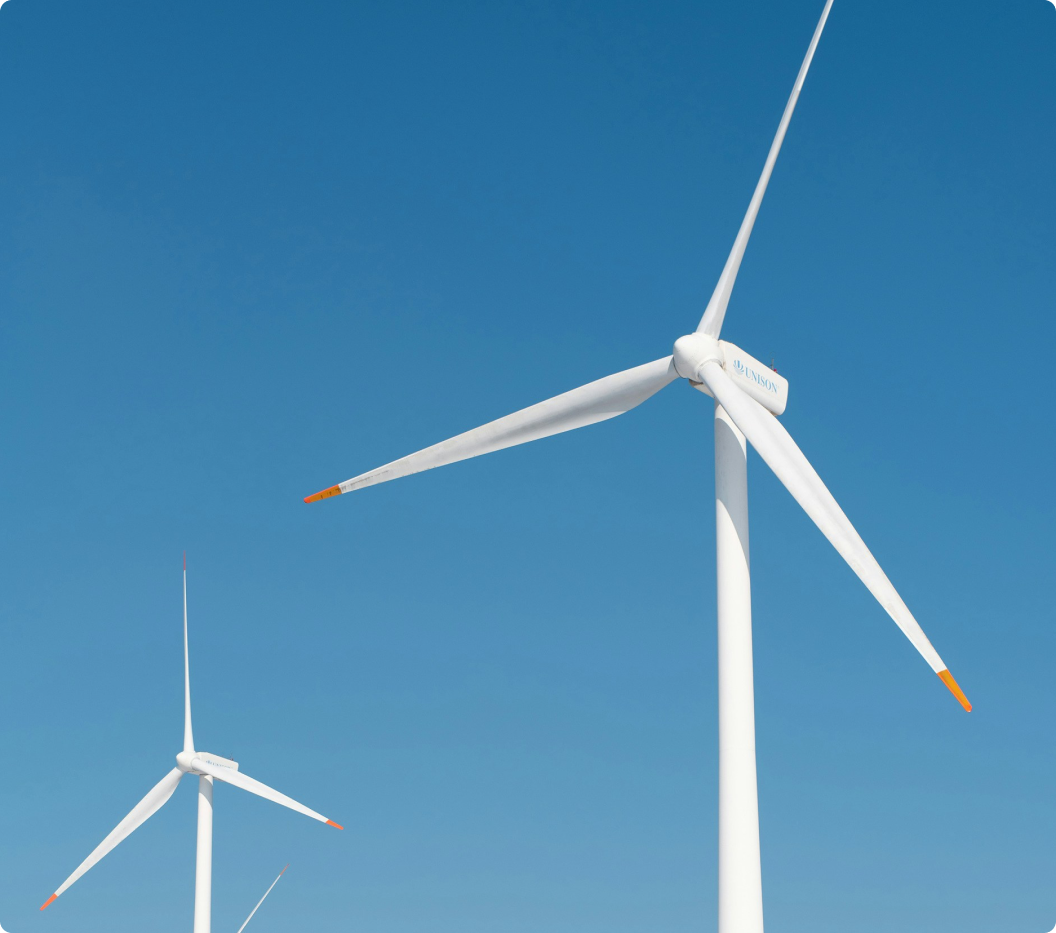
In this case, energy generation data is captured at source, processed through automated validation, checked for anomalies, structured for review, and transferred to Verra's Project Hub via API. That entire flow satisfied the requirements of the VCS program.
We started with renewable energy deliberately. Metered electricity generation is measurable, structured, and relatively unambiguous. It provides a strong foundation for demonstrating that a digital approach can work reliably.
Clean cooking is next on our roadmap. Beyond that lies the harder frontier: land use and ecosystem restoration projects. Those require interpretation, not just validation, and that is where digital MRV could ultimately have the greatest impact.
Our long-term goal has always been to build a digital backbone for carbon market verification that can adapt across project types as the market matures.
What the market needs now
Carbon markets are entering a new phase.
After years of intense scrutiny and market correction, the next phase is institutionalization. Scrutiny is increasing because the stakes are higher. Data volumes are growing because ambition is growing. Buyers, regulators, and civil society are asking harder questions, and they should.
Manual verification as it exists today cannot scale to meet that demand. The underlying architecture was not designed for this level of data intensity or issuance frequency.
Digital MRV is not a silver bullet. But it is the infrastructure upgrade the market needs. It can strengthen data integrity, enable more frequent and predictable issuance for project developers, improve interoperability for registries, and increase transparency for buyers.
Integrity and efficiency are not in tension here. That framing came up often in early debate around digital MRV, but it was always a false tradeoff. When done right, digital infrastructure makes verification more rigorous, not less.
What I still don't know
Most CEO posts end with certainty. The reality is that there are still open questions.
How quickly can digital MRV expand into project types where data is harder to access and interpret, such as land use and ecosystem restoration? What happens when monitoring technology in the field is less reliable than we'd like? How do we ensure efficiency gains are achieved from removing friction rather than scrutiny?
We have spent years building something. First, learning the craft of verification, then rebuilding parts of it digitally. The next phase, scaling responsibly – across project types, standards, and geographies – will require the same combination of technical work, institutional engagement, and willingness to learn in public.
I founded SustainCERT because I believed verification had to evolve. I still believe that. But evolution in this space has to be earned, not announced.
We helped start this transition. The real work of proving it at scale is only beginning.
***
Marion Verles is CEO and Co-Founder of SustainCERT. She writes about carbon market integrity, digital verification, and the slow, necessary work of building climate infrastructure.